Define the handling task and route
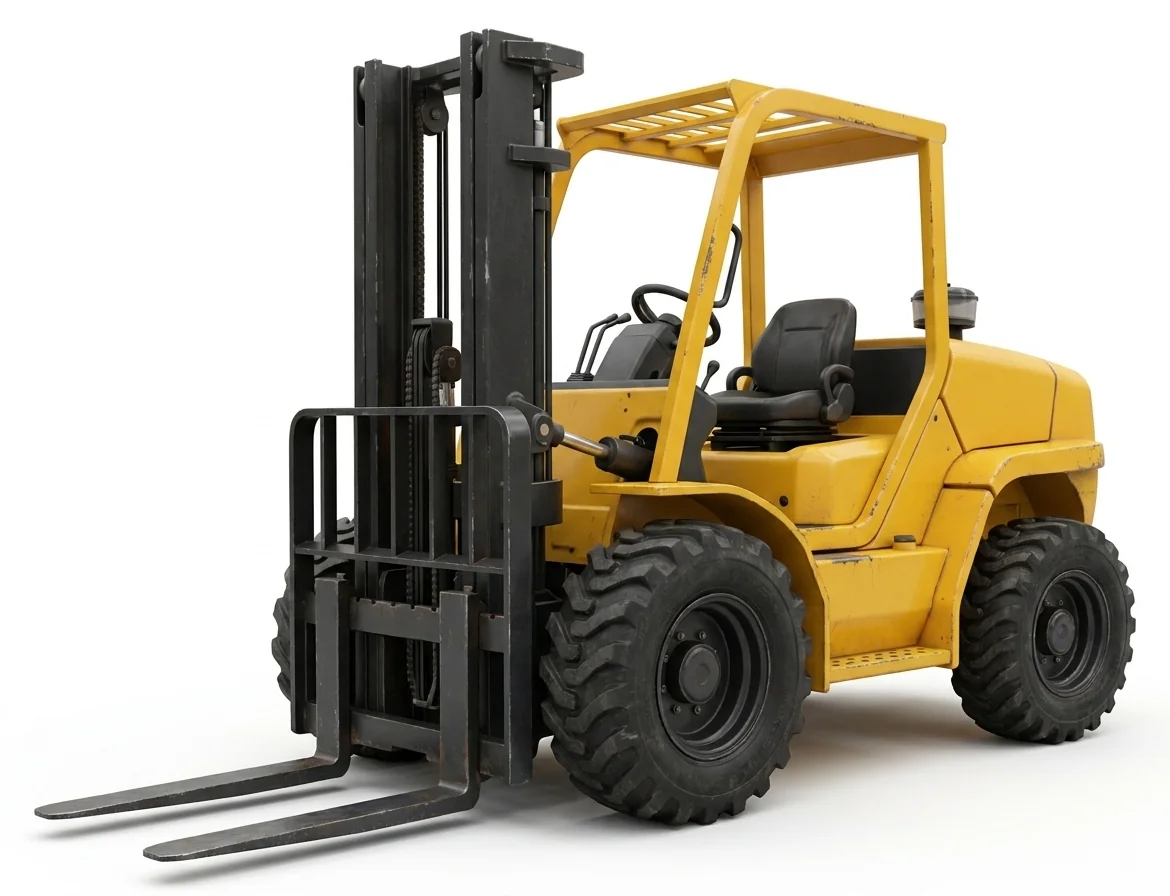
List the load weights, pallet sizes, and lift heights. Measure aisle width, rack beam height, and any door thresholds or ramps between staging and storage. Note whether the forklift must cross from an outdoor apron into climate-controlled interiors where emissions and tire marks are restricted.
Atlanta-specific conditions
Moisture at dock plates and thresholds changes traction and braking. Clay-based yards near dock doors can rut after storms, affecting approach angles. In sensitive interiors such as mechanical or equipment rooms, heat and exhaust may be limited, guiding the choice toward electric units and non-marking tires.
Measurements that narrow the selection
- Minimum aisle width for the truck’s right-angle stack.
- Required lift height with margin for beam clearance.
- Load center relative to pallet length and any overhang.
- Door and elevator clearances for moves between levels.
- Surface type from staging to final position: clay, asphalt, concrete, or epoxy-coated slab.
When another category fits
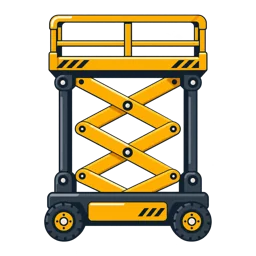
For outdoor placements beyond rack height or across uneven grades, a /telehandler-rental/ may handle reach and terrain better. If the goal is personnel access to elevated maintenance points, consider /vertical-mast-lift-rental/ or /electric-scissor-lift-rental/.
Actual site conditions, the selected unit’s instructions, and facility procedures govern material handling near edges, pedestrians, and confined aisles.